Bechelor of Technology
REC/NIT Hamirpur (H.P.),
India, [1998 - 2002].






















FIRE PROTECTION DESIGN & CALCULATIONS
FIRE FIGHTING DESIGN
Planning for fire protection involves an integrated approach in which system designers need to analyze building components as a total package. In most cases, the analysis needs to go beyond basic code compliance and the owner’s minimum legal responsibilities for providing protection.
Code compliance is the first objective in any design. Codes are legal minimum requirements; you have to meet the minimum with any design.
While no standard fire-protection design blueprint exists for any two buildings, the systems found in any building typically include these basic components:
Detection Systems
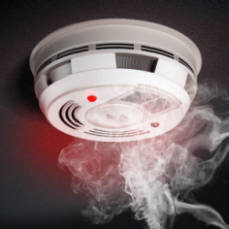
Modern smoke-detection systems go beyond the small device that senses smoke and triggers the alarm system.
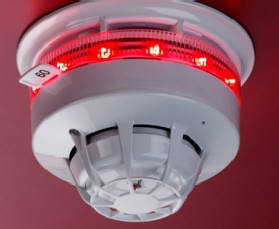
Heat detectors are another option. They can trigger alarms and notification systems before smoke even becomes a factor.
Alarms and Notification Systems
Alarm systems are a must in any facility - alarms that alert building occupants of a fire and alarms that alert emergency public responders (police and fire) through a central station link so they can initiate a response.
Many modern systems now include speakers that provide alerts in place of (or in addition to) traditional bell-type alarms. These speakers also can be used in emergencies other than fires to instruct and inform occupants of the situation.
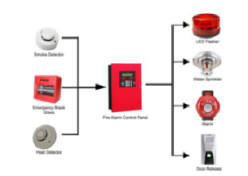
Alert systems can also close fire doors, recall elevators, and interface and monitor the installed suppression systems, such as sprinklers. Every waterflow switch is connected to the building’s fire alarm system. The systems can also connect with a building’s ventilation, smoke-management, and stairwell-pressurization systems - all of which are critical to life safety. Again, these features are dependent on the building in which the system is installed.
Suppression Systems
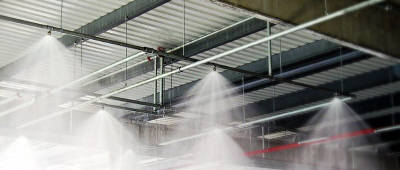
Sprinklers are the most widely specified suppression system in commercial facilities - particularly in occupied spaces.Each independently operating sprinkler has a heat-sensitive element inside. These elements heat up to the sprinkler’s operating temperature and activate that sprinkler head. According to the AFSA, 90 percent of all fires are controlled by six or fewer sprinkler heads.
In situations where sprinklers aren’t feasible because of special considerations (e.g. water from sprinklers would damage sensitive equipment or inventory), designers might suggest an alternative fire-suppression system, such as gaseous/chemical suppression.