Bechelor of Technology
REC/NIT Hamirpur (H.P.),
India, [1998 - 2002].























CO-ORDINATION DRAWINGS
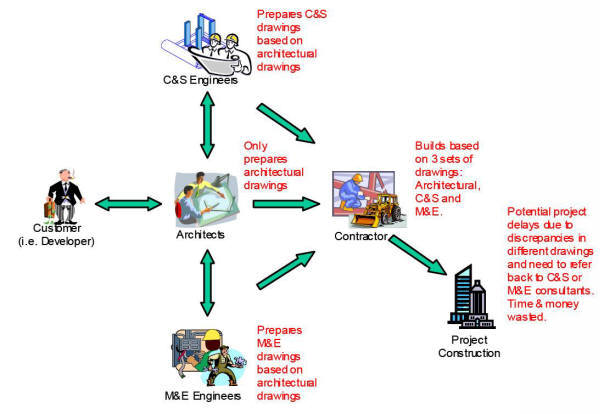
Coordination (sometimes called Composite) is critical to the success of any commercial or institutional building project today. Coordination in construction once referred to simply avoiding physical conflicts in the layout of equipment in spaces and the routing of duct, piping, and raceway systems through buildings. The risk of interference problems is highest on building projects that have intense mechanical, electrical, and plumbing (MEP) requirements. Production risks are compounded, as schedules become more intense. Eliminating coordination problems can be characterized as a prerequisite to the start of construction work on intense projects with dense MEP system requirements.
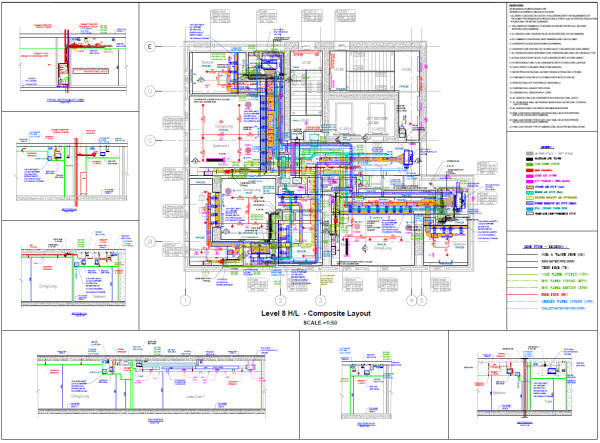
1. The coordination process is performed to allow each trade to compare the materials that are intended for given spaces in a building to ensure they will not conflict physically, or impair the installation and maintenance of subsequent systems.
2.Highlights plan discrepancies and missing/insufficient information provision. Allows contractors to effectively construct the project, with minimal time lost from the need to seek additional information or clarification from other parties.
3. Allow better estimation of cost & time in the schedule of works, and hence smoother workflow.
4. Frees up site staff to concentrate on more important key tasks instead of wasting time doing minor coordination tasks.
5. Reduce misunderstanding between the various parties involved in a project since everyone possesses the same development plans.